Learn: Sand Filtration Simulation
1. Overview of Sand Filtration
A simple four-layer sand filtration system removes various impurities as dirty water flows downward. Each layer targets a different kind of contaminant—large debris, fine sediment, dissolved chemicals, and structural support—resulting in progressively clearer water.
In our interactive simulation, you will arrange four materials (Cotton, Sand, Charcoal, Gravel) from top to bottom. Once all four slots are filled, clicking “Filter Water” shows a “% Dirty” reading based on your arrangement.
- Cotton: Traps the largest particles first.
- Sand: Removes finer sediment.
- Charcoal: Adsorbs dissolved chemicals and odors.
- Gravel: Keeps finer materials from washing out & provides support.
2. Materials & Their Roles
Cotton (Top Layer)
Cotton cloth or fiber is placed at the top. It captures large debris that enters the filter, such as twigs, leaves, and coarse soil particles. The cotton’s porous weave blocks big chunks while allowing most of the water to flow through.

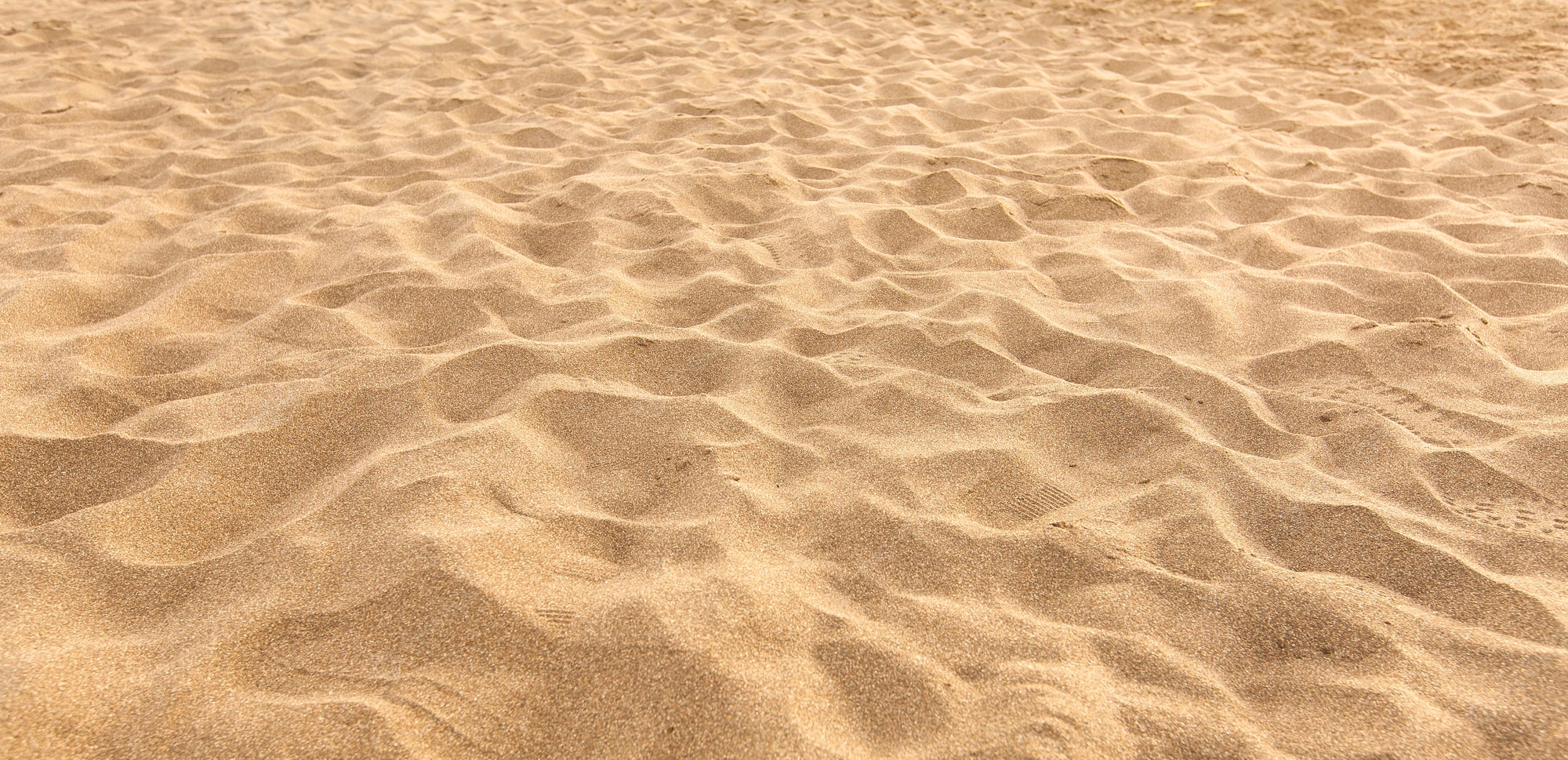
Sand (Second Layer)
Beneath cotton sits fine sand. Sand grains trap smaller sediment (silt, clay) that passed through the cotton. As water percolates through sand, turbidity (cloudiness) drops significantly.
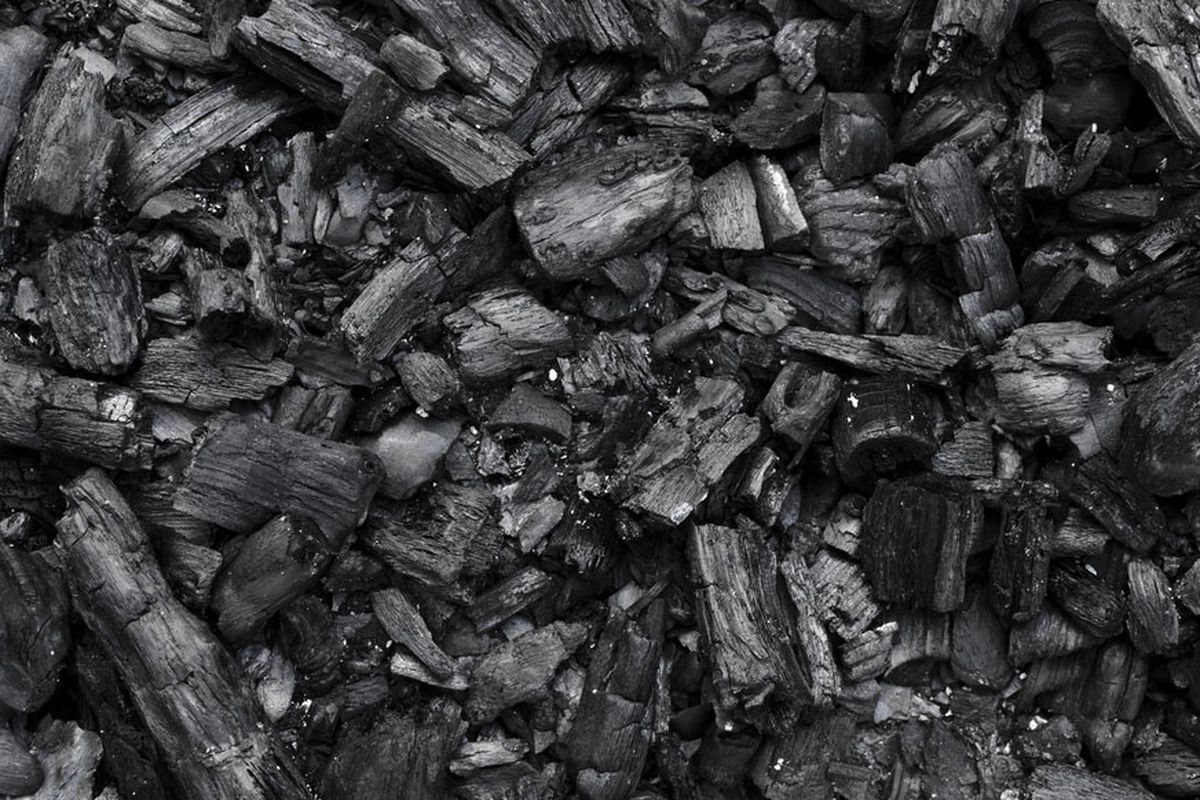
Charcoal (Third Layer)
Charcoal (activated carbon) adsorbs dissolved organic compounds, unpleasant tastes, and odors. In our simulation, charcoal acts as a “perfect purifier” if placed in its correct position. It is extremely effective at removing chemical impurities after sediment has already been filtered out.
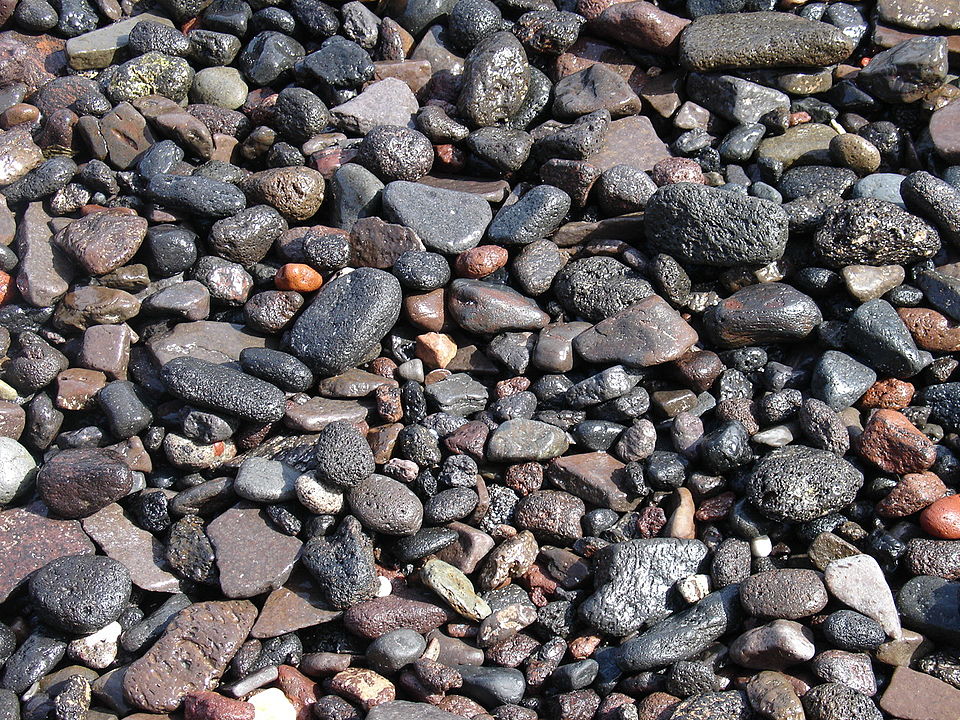
Gravel (Bottom Layer)
The bottom layer consists of coarse gravel or pebbles. Gravel prevents the finer materials (sand & charcoal) from washing out of the filter and provides a final screen for any large particles that might slip through above. It also helps maintain stable flow.
3. How It Works
When contaminated water is poured in at the top, it travels downward through each layer:
- Cotton traps large debris and coarse dirt first.
- Sand captures fine sediment (silt, small particles).
- Charcoal adsorbs dissolved chemicals and impurities.
- Gravel acts as a final barrier and provides structural support.
Each layer removes a percentage of “dirt” from the water. The simulation calculates a cumulative removal efficiency, then displays the remaining “% Dirty” in the Output Water panel.
• If a material is out of its ideal position (not in the correct slot), its efficiency drops to 40% of its base.
• Water starts at 100% dirty. Each layer removes dirt in sequence; the final leftover is shown as “% Dirty.”
4. Why Order Matters
The ideal top→bottom order is: Cotton → Sand → Charcoal → Gravel. If any layer is moved out of its perfect position, its removal rate is multiplied by 0.4 (i.e., 40% of base efficiency). This dramatically affects overall purity because less dirt is removed at the correct stage.
Example: Sand’s base removal is 30%. If sand is placed in the wrong slot, it only removes 30% × 0.4 = 12% of whatever dirt reached it—leaving more residual dirt for subsequent layers to handle.
- If Cotton is not first, large debris can clog sand or charcoal.
- If Charcoal is not third, dissolved chemicals may bypass its full adsorption capacity.
- If Gravel is not last, sand/charcoal can wash out or become less stable.
5. Ideal Filter Stack
To achieve 0% “Dirty” water (i.e., 100% purification), stack the four materials exactly:
- Top (Slot 1): Cotton
- Slot 2: Sand
- Slot 3: Charcoal
- Bottom (Slot 4): Gravel
Any deviation from this order causes partial cleaning and a higher “% Dirty” reading. The simulator lets you experiment with different permutations to see how “dirty” water remains.

In real life, this four‐layer arrangement is often used in emergency water filters or simple point‐of‐use systems. While effective at removing physical debris and many chemicals, it does not replace boiling or chemical disinfection for biological pathogens.