Learn About Environmental Reclamation
Concept Overview
While mines supply essential resources, they can adversely affect water, soil, and ecosystems. Environmental reclamation uses engineering, planning, and community collaboration to restore mined lands and protect downstream habitats.
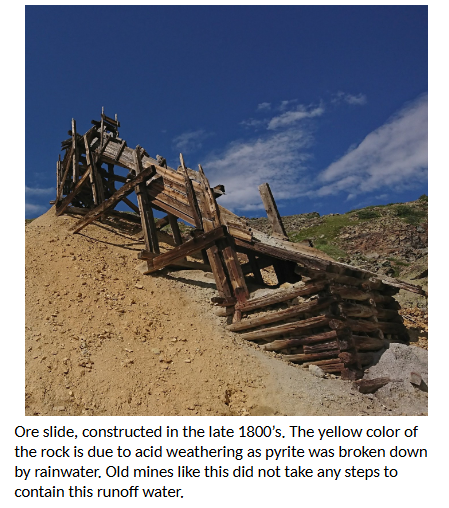
Modern reclamation integrates liners, water treatment, engineered wetlands, and revegetation to prevent acid drainage and sediment pollution.
Materials & Setup
Materials:
- Water table, sand, gravel
- Plastic mine cup, houses, trees, animals
- Reclamation plants (pipe‑cleaners), plastic liners
- Index cards & Sharpie for naming zones
- Colored paper markers (A–D), ruler (bridge), tools
- Measuring cup of water (monsoon), optional gloves
Setup
- Plug in water table and fill so pump runs smoothly.
- Build “river” by piling sand on long sides; leaves a lake at drain.
- Place mine cup + gravel on one side, town (Legos) on the other.
- Arrange zones: forest, animal habitat, empty plain, town.
- Stage liners, cards, markers, bridge, plants, tools out of reach.
- Fill measuring cup for monsoon and tuck beneath table.
Activity: Design a Reclamation Plan
Collaborate to name each zone, choose where to locate the waste rock pile, and engineer measures to control runoff & treat water before it enters the river.
- Name Your Town, Mine, Park & River: Each student suggests a name; write it on cards and place in the model.
- Site Selection for Waste Rock: Use A–D markers to vote on pile locations: near mine, town, plain, or headwaters.
- Liner Design: Decide how many plastic liners to use (1–4) to prevent seepage.
- Water Controls: Propose earthworks—ditches, dams, reservoirs—to channel runoff.
- Water Treatment: Choose between an engineered wetland (plants) or a treatment plant (Lego building), and place it.
- Final Checks: Add roads/bridge if needed, replant trees you moved, label any other features.
- Mining Phase: Move gravel from mine cup to waste pile. React to any “spills” dramatically to reinforce consequences.
- Monsoon Simulation: Pour stored water slowly onto the pile. Observe which measures held, and which failed.
- Debrief: Discuss successes, failures, and improvements. Emphasize engineering trade‑offs and community impact.
Goals & Takeaways
Mines meet society’s growing metal demands but pose environmental risks—especially to water resources. Effective reclamation relies on careful planning, engineering controls, and collaboration to protect ecosystems and communities.
Scientific Concepts
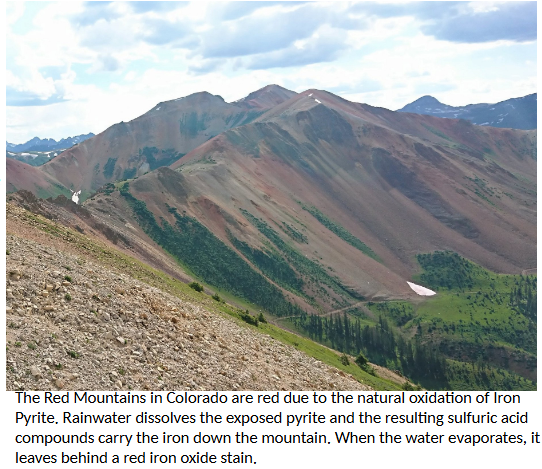
- Acid rock drainage occurs when sulfide minerals contact water and air, producing acidic runoff.
- Linings and water‐recovery ponds minimize infiltration and allow reuse of process water.
- Engineered wetlands & treatment plants remove dissolved metals before discharge.
- Reclamation restores habitat, stabilizes soils, and safeguards water quality for future generations.